Nutrition & Macros
Protein, carbs, fat, and fiber made practical — daily targets, real food profiles, and what actually keeps you full.
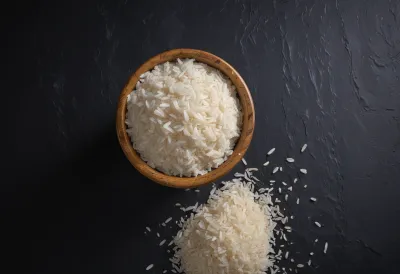
Calories in common foods: an honest reference
A "medium" banana, a cup of rice, one chicken breast — each hides a range wide enough to blow a daily budget. The reference numbers, and the reasons they move.

How much protein do you actually need per day?
Nutrition's most-quoted number was never meant to be a goal — it is the dose that stops you getting sick. Here is the gap between that floor and your target.
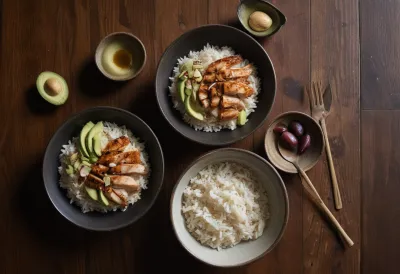
Macronutrients explained: protein, carbs, and fat
The 4/4/9 on every label is a 130-year-old estimate of what your body can extract — not what is in the food. Whole almonds miss the prediction by 32%.

How alcohol calories work — the 'fourth macro'
Under 5% of the alcohol you drink gets turned into fat. It still costs you — because ethanol jumps the metabolic queue and everything else waits its turn.
Why fat has 9 calories and protein has 4
Nobody burned your granola bar. The 4/4/9 is arithmetic from the 1890s — and USDA's own table prices egg protein at 4.36 and vegetable protein at 2.44.
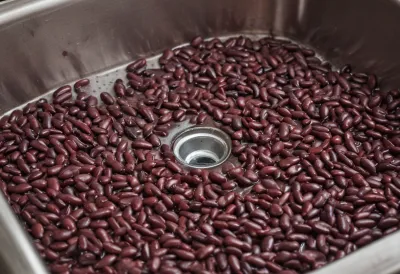
Beans: protein, fiber, and calorie counts
A can of kidney beans carries about a gram of sodium — and roughly a third of what you paid for is brine. Draining fixes most of it; rinsing barely helps.
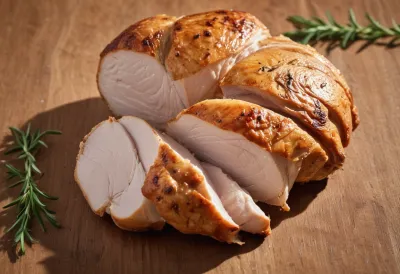
Chicken breast: calories and protein per serving
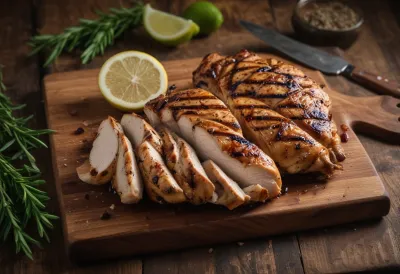
The chicken numbers everyone quotes rest on a USDA measurement last updated in 1979, from 16 samples. The breast has changed composition since.
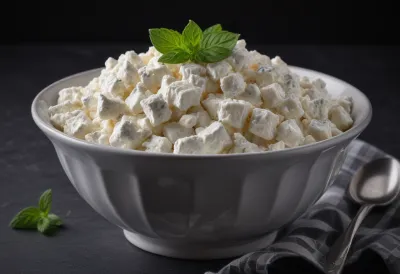
Cottage cheese: the high-protein comeback food
It ties nonfat Greek yogurt for protein per calorie almost exactly. Then a single cup delivers 917 mg of sodium — 40% of a day's limit — and nobody mentions it.

Eggs: calories, protein, and the yolk question
Discard the yolk and you remove three-quarters of the calories — but also 43% of the protein. The trade is worse than the egg-white omelet implies.
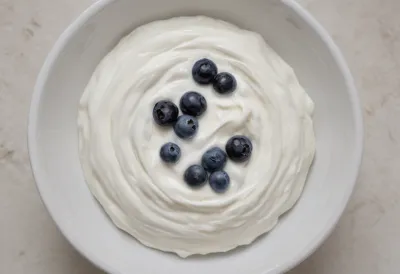
Greek yogurt: a protein-per-calorie standout
Straining discards up to 2.75 kg of whey per kilogram of finished yogurt. That is where the protein concentration comes from — and where the calcium goes.
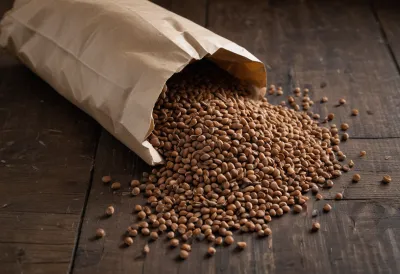
Lentils: cheap protein and fiber by the numbers
Most of a lentil's fiber and about 80% of its polyphenols sit in a seed coat that red lentils had stripped off before you bought them.
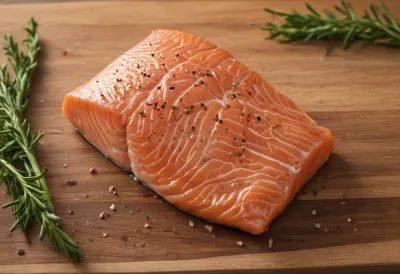
Salmon: calories, protein, and omega-3s
Chum, coho, king, farmed Atlantic — all sold as salmon, all quite different fish. The leanest carries under a third the omega-3 of the fattiest.
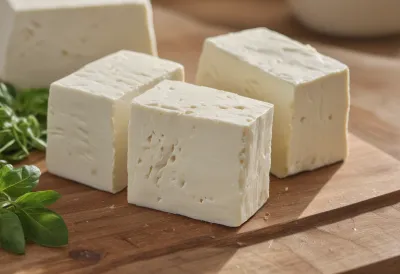
Tofu: calories and protein for plant eaters
Two USDA records, both labeled "firm." One has twice the protein of the other and three times the calcium. USDA's own note explains it: nobody defines the word.
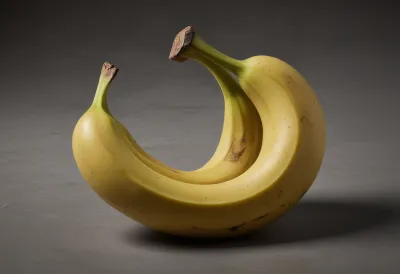
Banana calories and why size matters
Five USDA size classes hide behind one word. And much of what's in your hand is peel you were never going to eat — which is where banana logs go wrong.
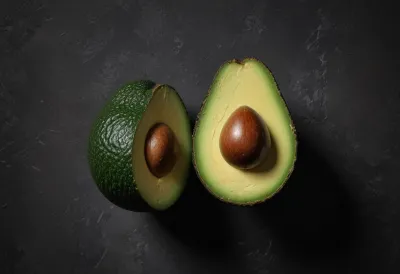
Avocado calories: healthy fat, real numbers
A California avocado is about 227 calories; a Florida one about 365 — despite being leaner per gram. Then USDA's own entries disagree by a third.
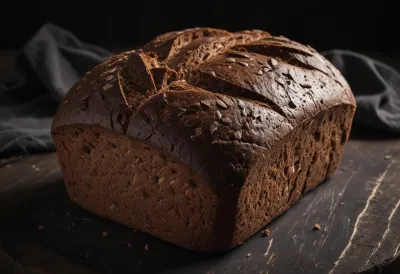
Bread calories: slice size and the fiber angle
White or whole grain is the decision everyone agonizes over. It moves the number 5%. The decision nobody makes — how thickly the loaf was cut — moves it 200%.
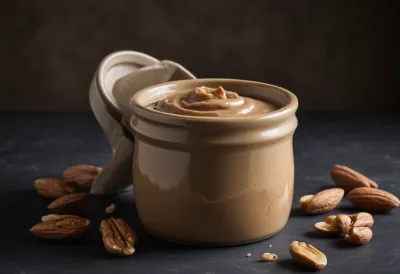
Nuts and nut butter: calorie-dense but filling
The label on a bag of almonds overstates what you get by a third. On pistachios, by 5%. Both numbers came from the same lab — and the same industry.
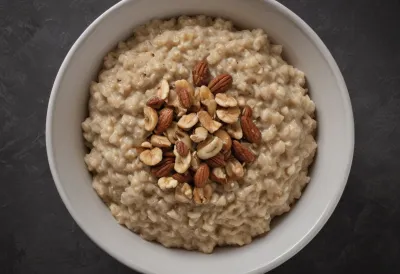
Oatmeal calories: the topping trap
Nobody overeats oats. They overeat what goes on the oats — and an ordinary-looking bowl can run four times its base before anyone reaches for sugar.
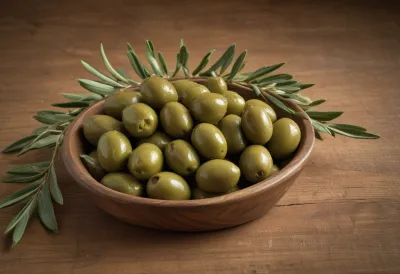
Olive oil: the calories hiding in a drizzle
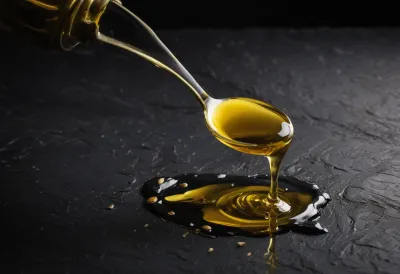
Harvest, estate, cold-press, polyphenol count — everything you pay a premium for moves. The one number that never budges is the one nobody checks.
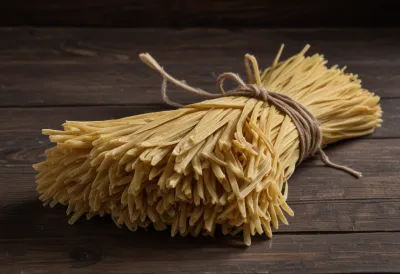
Pasta calories: dry vs cooked, and portion reality
Everyone worries about the dry-versus-cooked doubling. The bigger error is already in the cupboard: swap shells for elbows and the same cup gains 216 calories.
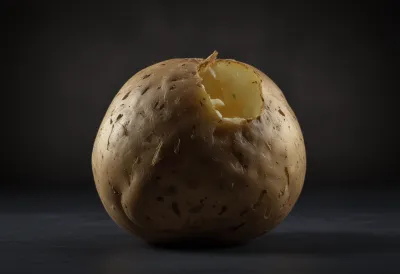
Potatoes: surprisingly filling for the calories
Raw, boiled, baked or dried to flakes, a potato holds about 3.7 calories per gram of solids. Everything else people argue about is water — or oil.
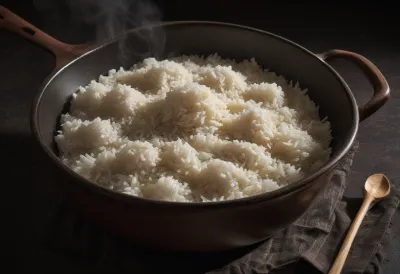
Rice calories: why cooked vs dry trips people up
Same three words, same measuring cup, 470 calories of difference. And cooked-versus-dry is only half of it — the cup itself is the part that moves.
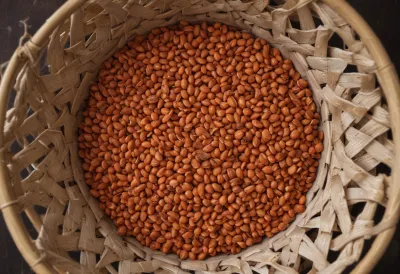
Complete vs incomplete proteins, explained simply
Your body cycles four times more protein through itself each day than you eat. That buffer is why the protein-combining rule you were taught is obsolete.
Are fat calories 'worse' than carb calories?
The folklore turns out to be directionally right and almost worthlessly small — and every mechanism usually offered for it is the wrong one.
Omega-3s and why some fats are essential
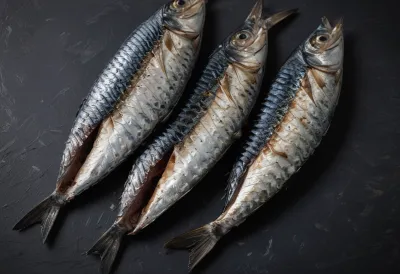
Young women converted labelled ALA into DHA at 9%. In young men, the same tracer produced no detectable DHA at all — across three weeks of looking.
Fiber: how much you need and why it matters
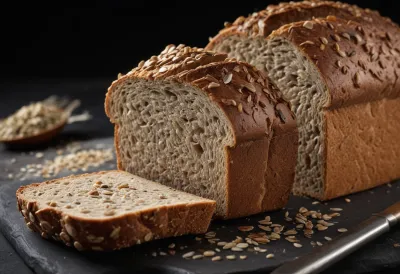
It's the one number on the nutrition label almost nobody tracks — yet the evidence for hitting it beats most things people obsess over. Here's the target.

Glycemic index: useful tool or overrated?
Retested in the same person, white bread's glycemic index swung more than it varies between different people. The chart is far steadier than the biology.

Are there really 'good' and 'bad' carbs?
Simple vs complex, good vs bad — the labels we sort carbs by are mostly wrong. Two subtler lines predict how a carb treats you, and they beat a GI chart.
Does fiber reduce the calories you absorb?
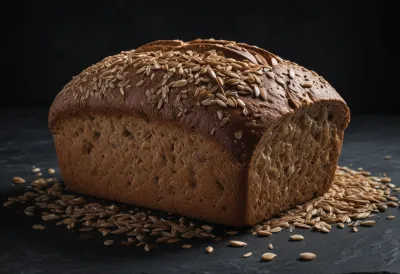
In a metabolic ward, the same high-fiber diet left one person 73 calories a day short and another 390. The average is the least interesting part of this result.

How many carbs do you actually need?
The internet quotes a carb target like it's physics. It isn't — the right number swings fivefold with your training, and for weight loss it barely matters.
How much dietary fat should you eat?
Most fat advice is about eating less. The more useful question is how low you can go — below a floor, you stop absorbing vitamins and your hormones notice.

Leucine: the amino acid that flips the muscle switch
There is a protein in your cells whose job is to hold leucine and let go. Flipping that switch is necessary to build muscle — and nowhere near sufficient.
Do macro ratios matter for weight loss?
The trial everyone cites to prove macro splits don't matter mostly failed to create different splits. Read the fine print and the answer gets more interesting.
Micronutrients vs macronutrients: what's the difference?
Macros come with a wide safe plateau you can wander around inside. Micronutrients have a floor and a ceiling — and the gap between them is often narrow.
What 'net carbs' really means
The subtraction is exactly right for erythritol and clearly wrong for maltitol — and the label gives you one word for both. Where the arithmetic quietly breaks.
Does high protein harm your kidneys? The evidence
The kidney warning came from a 1982 hypothesis about kidneys that were already failing. Nephrologists argue the reassuring trials measured the wrong thing.
Protein's role in keeping muscle while dieting
Measure both sides of the ledger during a 40% deficit and breakdown doesn't move at all. Muscle loss on a diet is a building failure, not a demolition.
Should you spread protein evenly across the day?
Even beat skewed by a third on the laboratory measurement. Then two trials ran the same manipulation for 16 weeks and found nothing at all in the bodies.
Why protein needs rise as you age
Aging muscle ignores a dose that works fine at 25. One experiment pinned the failure to a single amino acid — and a six-month trial then found nothing.
Hitting your protein target on a plant-based diet
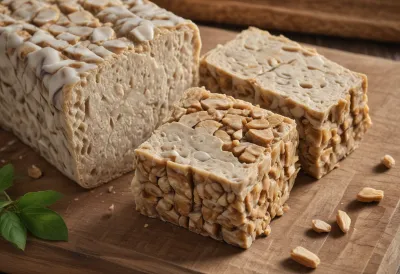
Vegans eat 44% less lysine than meat-eaters and still clear the requirement by half. The thing that actually stops you is arithmetic, not amino acids.
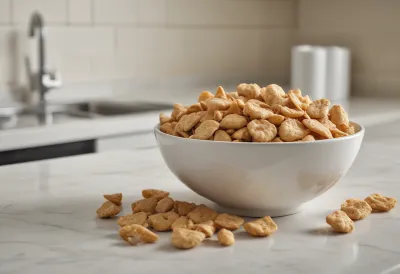
The protein leverage hypothesis: do we eat until sated on protein?
Both camps agree the mechanism is real. The fight is over how much it explains — and over one question neither side has answered about what people reach for.
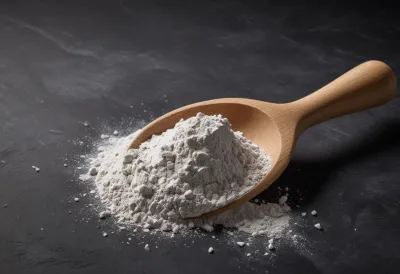
Do you actually need protein powder?
Whole eggs beat egg whites for muscle protein synthesis at matched protein. Twelve weeks later the two groups had built the same muscle. Both results are real.

Resistant starch: the carb that acts like fiber
Cooling last night's pasta cut the glucose curve by 60% and the calorie bill by roughly twenty. Same trick, two wildly different sizes of payoff.
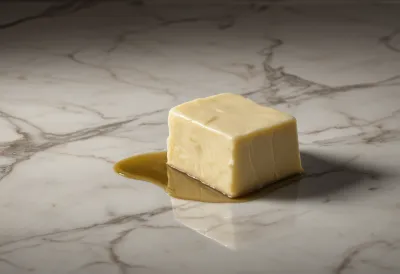
Saturated vs unsaturated fat: what the science says
The 'saturated fat is deadly' story genuinely cracked after 2020 — but not the way the internet thinks. The real question isn't the fat; it's what replaces it.
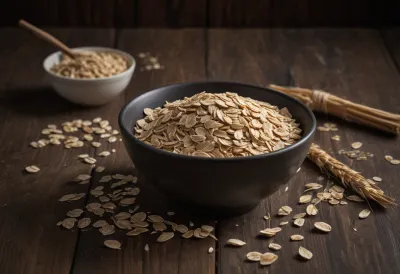
Soluble vs insoluble fiber, and why both count
Grinding wheat bran finer flips it from a laxative to a constipating agent. Same fiber, same solubility — which is a clue the textbook split is the wrong axis.

Sugar vs added sugar: reading the label right
A glass of orange juice shows 0 g of added sugar on a US label and counts fully against the WHO limit. The label answers a factory question, not a health one.
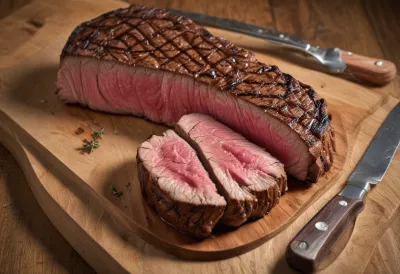
The thermic effect of food: calories burned digesting
Everyone quotes one tidy figure for what digestion costs. It comes from a four-hour reading of a six-hour event — and repeated in one person it moves 27%.
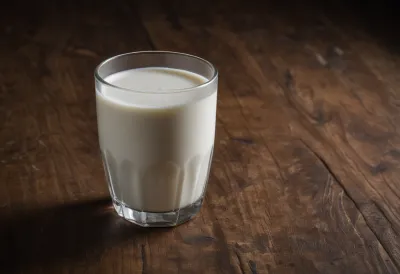
Whey, casein, or plant protein: which and when?
Whey won the muscle-building measurement and lost the one that mattered. One 1997 experiment holds both results — and it explains every tub on the shelf.
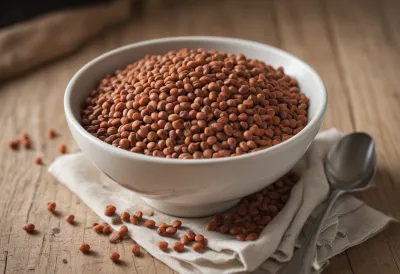
High-protein foods that are actually cheap
Lentils aren't 7x cheaper than chicken — not once you price protein instead of packs. Here's what a gram of protein really costs, and the budget foods that win.

The case for a high-protein breakfast
Eggs and beef at breakfast quieted the brain's food-reward response before dinner. Strong on appetite, quieter on weight loss — here's where they split.
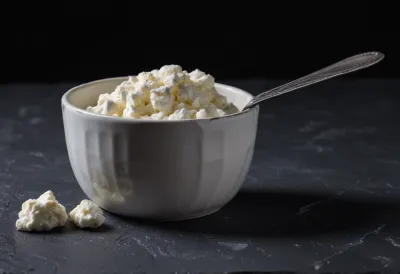
High-protein snacks that keep you full
The right afternoon snack pushes dinner later and lighter. The catch: 'high protein' has to mean ~20-25 g, and the hormone story is shakier than the effect.
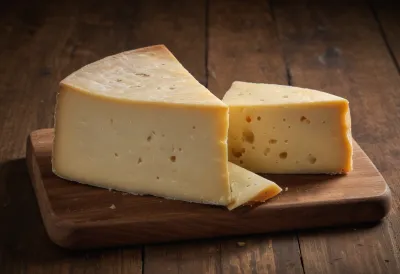
How to calculate your daily protein target
The '1 gram per pound' rule is really 2.2 g/kg — the ceiling, not the goal. Here's how to set a protein target from your weight, your goal, and the evidence.
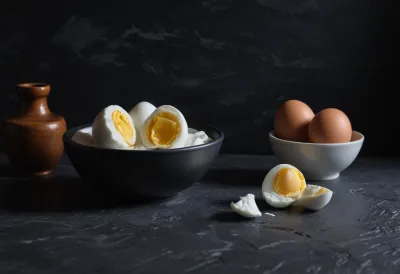
The best protein sources, ranked by quality
Whey scores below pork. Potato beats every bean. Gelatin scores 2. Protein quality is not the plant-versus-animal story you were sold — then it stops mattering.
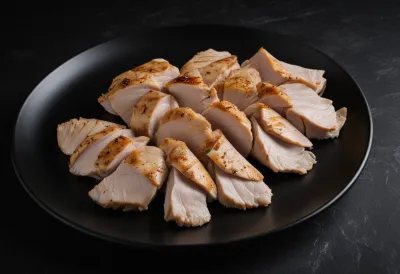
Can you eat too much protein?
There is a real ceiling on protein — but it is not your kidneys, and it isn't measured in grams. It's a share of your calories, and almost nobody gets near it.

How much protein to build muscle, by the research
Everyone quotes 1.6 g/kg as a law of nature. It is the midpoint of a confidence interval running 1.03 to 2.20 — and that width changes what the number is for.
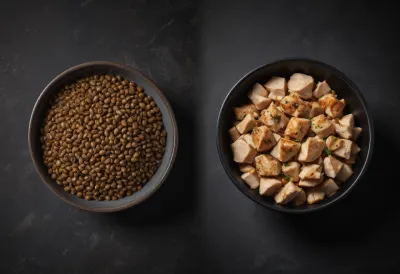
Plant vs animal protein: does the source matter?
Milk delivered 25% more leucine and 85% more lysine than a wheat-corn-pea blend. The muscle response was identical. Quality scores stop predicting outcomes.
Why protein keeps you full longer
Hide the macros, feed people a protein-poor diet, and they eat 12% more without noticing. Protein's real trick isn't fullness at lunch — it's the total.

How much protein for fat loss (and why more helps)
Protein does not create the deficit and it won't melt fat. What it does, at identical calories, is decide whether the weight you lose comes off fat or muscle.

Is there a limit to protein absorbed per meal?
Feed someone 100 g of protein and track them for 12 hours instead of four, and the famous ceiling disappears — a property of the stopwatch, not the muscle.
Protein timing: does the anabolic window exist?
The window is real. It is also about 24 hours wide. And every study that seems to prove timing beats total protein turns out to have quietly fed one group more.