A protein snack works — if it is genuinely high-protein and low in fat#
The useful version of "snack on protein to stay full" is more specific than the slogan: swapping a high-fat snack for a low-energy-density, high-protein one measurably delays your next meal and shrinks it. In the cleanest test, a 160-calorie afternoon yogurt with 14 grams of protein pushed the request for dinner about 30 minutes later than a same-calorie chocolate snack and cut dinner intake by roughly 100 calories versus crackers1. The snack does its work on the meal that comes after it, not on the moment you eat it.
Two conditions make that happen, and skipping either one wastes the snack. The protein has to be a real dose — the effect climbs as the grams do — and the snack has to be light in fat and calories, because a 300-calorie "protein" bar that is half fat gives back at dinner what it saved you in protein. What follows is what the trials actually measured, including one real gap: the satiety is easy to reproduce, the hormonal explanation for it is not. The daily target these snacks help you reach is in how much protein per day.
What an afternoon protein snack actually did#
The anchor study fed 20 healthy women three isocaloric 160-calorie afternoon snacks on separate days: a high-protein Greek yogurt (14 g protein, 0 g fat), high-fat crackers (0 g protein, 9 g fat), and high-fat chocolate (2 g protein, 9 g fat). Three hours after lunch, they ate the snack; then researchers tracked hunger and waited to see when they asked for dinner1.
The yogurt won the comparisons that matter. It produced lower afternoon hunger than chocolate and delayed the dinner request to 164 minutes versus 137 for chocolate — about half an hour of appetite bought by a snack everyone ate at the same time. Dinner itself was around 100 calories smaller after the yogurt than after the crackers. The comparison against crackers was weaker than against chocolate — the delay there was a statistical trend rather than a clear win — but the direction was consistent: the protein snack quieted the afternoon and took the edge off the evening meal.
One interest to put on the table: the study was funded by the General Mills Bell Institute of Health and Nutrition — a company that sells yogurt — though the authors report it had no role in the design or analysis and declared no competing interests1. The measurements stand; the funder's product happened to be the winning snack.
The dose has to be real#
"High-protein snack" is doing a lot of work in that sentence, and the same group showed the phrase has to be earned. When 15 women ate 160-calorie yogurt snacks containing 5, 14, or 24 grams of protein, the delay before dinner rose with the dose: 152 minutes at 5 grams, 158 at 14, and 178 at 24, against 124 minutes with no snack at all2. The 24-gram snack beat both smaller ones; the jump from 5 to 14 grams barely moved the needle.
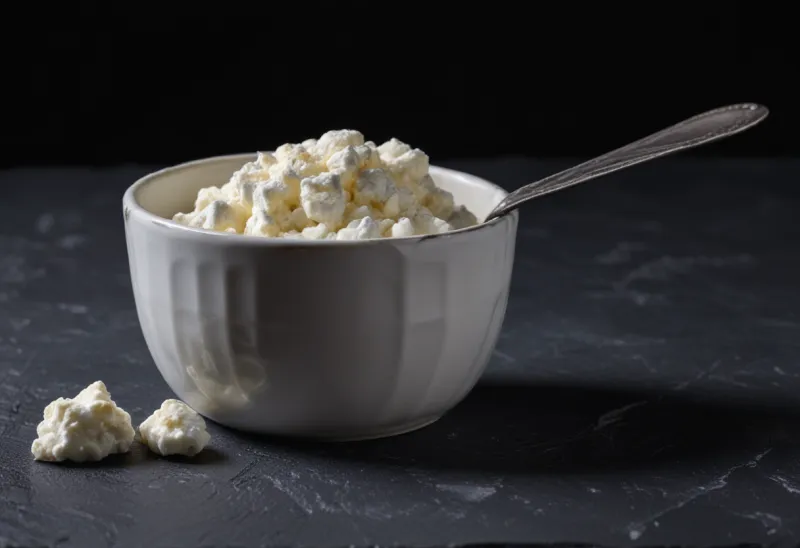
That graded response is the practical rule hiding in the data. A token amount of protein bolted onto a snack does little — the appetite payoff shows up when the dose is genuinely high, in the 20-to-25-gram neighborhood. It also reframes what most "protein" marketing sells: a bar with 8 or 10 grams sits down at the low end of that curve, near where the extra grams stopped buying much fullness at all. It is also why the type of snack matters: reaching that dose in 160 calories requires a lean, protein-dense food like Greek yogurt or cottage cheese, not a handful of something that carries its calories as fat. The general protein-per-calorie ranking that decides which foods can do this is in the best protein sources.
The satiety is solid; the hormone story is not#
Here is the honest gap. The behavioral effect — feeling fuller, eating later — replicates, including outside the lab that found it first. An independent trial in Jordan gave 50 women with overweight or obesity a 200-calorie Greek yogurt or a calorie-matched serving of peanuts, and the yogurt produced significantly higher satiety 30 minutes later3. Different country, different research group, broader population, same direction.
But that trial also measured the hormones usually credited for the effect, and found nothing: PYY, GLP-1, and ghrelin did not change significantly after either snack3. So the fullness you feel from a protein snack is real and measurable, while the tidy "it spikes your satiety hormones" mechanism sold alongside it is, at snack-sized doses, not well supported. That is the same pattern the wider evidence shows — the effect of protein on appetite is more reliable than any single explanation for it, which protein and satiety works through in full, and the meal-sized PYY response that does exist is covered in protein for fat loss. Buy the snack for what it does, not for the hormone it is advertised to trigger.
Snacks that hit the mark#
The brief is narrow: roughly 20-25 grams of protein, and light on fat and total calories. Here is what common grab-and-go options deliver (approximate, USDA FoodData Central).
| Snack | Protein (approx.) | Calories (approx.) |
|---|---|---|
| 1 cup nonfat Greek yogurt | ~20 g | ~130 |
| 1 cup low-fat cottage cheese | ~24 g | ~180 |
| 1 scoop whey in water | ~24 g | ~120 |
| 2 hard-boiled eggs | ~12 g | ~155 |
| 30 g beef jerky | ~10 g | ~100 |
| 1 string cheese | ~7 g | ~80 |
The top three clear the dose in fewer than 200 calories; the bottom three are lighter and pair well — two eggs plus a string cheese, or jerky plus a small yogurt. None of them is expensive, which is the point where this list meets cheap high-protein foods. Slot one into the mid-afternoon, three hours or so after lunch, and you are aiming it at the same evening window where sleep and cravings do their damage — which is exactly when the trials measured the payoff.
FAQ#
What is the best high-protein snack to stay full?#
A lean, protein-dense one in the 20-to-25-gram range and under about 200 calories — Greek yogurt, cottage cheese, or whey are the efficient options. A 14-gram yogurt snack delayed the next meal by half an hour and cut dinner by ~100 calories versus high-fat snacks1, and the effect grew with dose2. Avoid snacks that carry most of their calories as fat.
How much protein should a snack have?#
Enough to matter — around 20-25 grams. In a dose-response test, going from 5 to 14 grams barely changed how long people stayed full, but 24 grams pushed the next meal nearly an hour later than no snack2. A small sprinkle of protein on an otherwise fatty snack is not a high-protein snack.
Do protein snacks work by boosting satiety hormones?#
Probably not the way it is marketed. An independent trial found a Greek yogurt snack raised measured satiety but produced no significant change in PYY, GLP-1, or ghrelin3. The fullness is real; the hormone mechanism behind a snack-sized dose is not well established, so treat hormone claims on protein products with caution.
Sources#
- Ortinau LC, Hoertel HA, Douglas SM, Leidy HJ. Effects of high-protein vs. high-fat snacks on appetite control, satiety, and eating initiation in healthy women. Nutr J. 2014;13:97. (Funded by the General Mills Bell Institute of Health and Nutrition.)
- Douglas SM, Ortinau LC, Hoertel HA, Leidy HJ. Low, moderate, or high protein yogurt snacks on appetite control and subsequent eating in healthy women. Appetite. 2013.
- Al-Bayyari N, Alhameedy M, Omoush R, Ghazzawi H. Exploring the effects of high protein versus high fat snacks on satiety, gut hormones and insulin secretion in women with overweight and obesity: A randomized clinical trial. Obes Pillars. 2025.
- USDA FoodData Central. Agricultural Research Service, U.S. Department of Agriculture.
Source: BurnWeek — "High-protein snacks that keep you full", https://burnweek.fit/blog/high-protein-snacks/. Licensed CC BY 4.0: free to quote or reuse with a link to this page.