Sleep & Weight
How sleep shapes appetite hormones, metabolism, and fat loss — and how to use rest as a weight-management lever.

How sleep controls your hunger hormones
Everyone repeats it: short sleep drops leptin, spikes ghrelin, and you overeat. The trouble is leptin won't hold still — and pooled trials lose the hormones.
Sleep and weight loss: what the science says
Ten dieters, two sleep schedules, the same weight gone — but only half the fat. Why sleep is a real weight-loss lever, and why it doesn't work where you think.

How alcohol wrecks sleep (and next-day appetite)
The claim everyone repeats about alcohol and sleep is the one a 27-study pooling could not confirm. What survived is stranger, and starts at two drinks.
Do any foods actually help you sleep?
Kiwifruit's famous 42% improvement came from a trial with no control group. Open the primary papers behind every 'sleep food' and the pattern is hard to miss.
The best sleep schedule for weight management
There's no magic bedtime. Once you sleep enough, the lever left is a regular schedule aligned to your own body clock — and the data is surprisingly firm.

Screens, blue light, and late-night snacking
A study measured hunger every hour under blue-enriched light and found no effect. The screen-to-snack link is real — it just doesn't run through your appetite.

Caffeine, sleep debt, and the weight-gain loop
The genetic study reported as proving caffeine cuts 9.5 kg of body fat actually estimated 0.6 kg. The loop is real link by link — and it still never closes.

Chronic short sleep and long-term obesity risk
Sixteen years of short sleep bought 68,183 nurses an extra 1.14 kg. Run the arithmetic and the famous epidemiology is worth about 1.5 calories a day.
Chrononutrition: eating in sync with your body clock
The field has three dials — clock time, regularity, frequency. Almost every argument you've read is about one of them, and it isn't the best-evidenced one.

Your body clock and how it times metabolism
The same meal raises glucose 17% more in your biological evening. Three separate clock effects get collapsed into one claim, and they are not the same size.

Cortisol: the stress hormone that drives eating
Two labs ran nearly the same stress-and-snacks experiment. One found cortisol reactivity predicted who ate more. The newer one found it predicted nothing.

Does staying up burn extra calories?
Seven people sealed in a calorimeter priced one sleepless night at 134 calories. The part nobody quotes is what their bodies did the following day.
Does eating late ruin your sleep?
The largest number in the whole 'don't eat late' literature comes from gastroenterology, not sleep science — and one carbohydrate study points the other way.
Why the same meal hits harder at night
Give someone melatonin at 9am and their glucose response worsens too. So it isn't the hour on the clock — it's a hormone arriving at the same time as the food.

Ghrelin and leptin: your hunger and fullness hormones
Delete the hunger hormone entirely and mice eat exactly as much. The tidy on-switch, off-switch story is wrong in a way that matters for dieting.
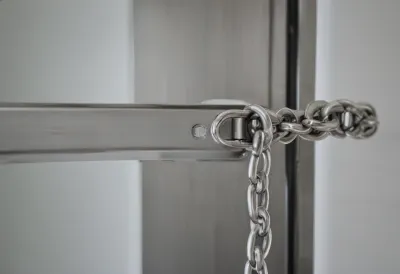
How to stop late-night eating for good
The clinical night-eating literature's advice includes a chain on the refrigerator. That's the tell: the evening is not when your resolve is available.

Practical ways to sleep better for weight loss
The moves that shift your sleep happen in daylight, not at 11pm. A coffee six hours before bed cut measured sleep by over an hour — and no one felt it.

How insulin shapes hunger between meals
Everyone calls insulin the fattening hormone. Put it directly into the brain and people eat less — and the lowest-insulin diet ever tested made people eat more.

Does eating late at night make you gain weight?
Two research literatures answer this differently, and the reason is in the method: one measures 'late' on the wall clock, the other on your own body clock.
Leptin resistance: when 'full' signals stop working
The NIH once convened a workshop because nobody could define the term. There is still no test that diagnoses it in a person — and that gap is the whole story.

Melatonin, meal timing, and hunger
A review screened 3,695 papers on melatonin and appetite and found two human trials. The gap between what rodents show and what people know is the whole story.

Do naps help or hurt weight management?
Naps under an hour carry no metabolic risk. Past 60 minutes, diabetes odds rise 46% — but the strongest signal isn't the nap. It's the sleepiness behind it.

How to eat well on the night shift
Eating a full meal at half past midnight showed up six hours later in how people drove home. Here is the night-shift eating plan the trials actually support.

Can too much sleep also cause weight gain?
Depression predicts long sleep almost three times more strongly than obesity does. That ladder of odds ratios explains the U-shaped curve better than fat gain.
Shift work, circadian disruption, and weight
Shift workers carry more weight without reliably eating more of anything. Fewer than 3% ever adapt to nights — so the lever that's left is your 3am.

Why tired dieters quit sooner
The strongest predictor of whether a diet works isn't the diet — it's how long you stick with it. And sleep is one of the best-measured inputs to that.
The link between poor sleep and emotional eating
Sleep loss doesn't mainly make you sad. It flattens the day's ordinary pleasures — and food is the one pleasure still cheap, fast, and within reach.
How sleep loss tanks your workouts
You can still hit your numbers on four hours' sleep. That's the trap — the bar moves up to 15% slower, feels 11% harder, and your training log shows none of it.
How tired brains find junk food more rewarding
Sleep-deprived men paid more for snacks but not for trinkets, and their hunger ratings never budged. The wanting is real — it just isn't hunger.

Growth hormone, deep sleep, and body composition
Give adults extra growth hormone and lean mass rises 2.1 kg while strength stays flat. That result caps what protecting your nightly pulse can buy.

How one bad night hurts insulin sensitivity
One night of short sleep and the same breakfast lands harder: glucose disposal drops ~20% by morning. What recovers by the weekend, and what doesn't.

Sleep's effect on thyroid and metabolic hormones
One sleepless night pushes TSH up. Six short nights push it down. The studies aren't in conflict — the timescale is the whole finding.

Poor sleep and next-morning water weight
The standard explanation has the physiology backwards. Deprive healthy adults of a night's sleep and their kidneys dump sodium and water — they don't hoard it.

How sleep loss weakens food willpower
"I have no willpower" is the wrong diagnosis twice: the fuel-tank model behind it barely replicated, and what sleep dims is the brain's control hardware.
Sleep quality vs quantity for weight control
Cut deep sleep by 88% without shortening the night at all, and insulin sensitivity still fell about a quarter. Quality and quantity are two dials, not one.
How sleep loss raises the hunger hormone ghrelin
The quotable hunger-hormone numbers came from all-nighters in men-only labs. Pool every trial since and ghrelin barely twitches. Why they split is the story.
Can you catch up on sleep for your metabolism?
Given two full nights to sleep as long as they liked, adults recovered about 1.1 hours in total. Then Monday's insulin sensitivity fell anyway, in more tissues.
Sleep and belly fat: is there a link?
Sleep loss and a bigger belly are genuinely linked — but the trial that proved it found something stranger: the fat went visceral, and recovery didn't undo it.

How much more you eat after a bad night's sleep
The famous “+300 calories” is an average hiding a wide distribution: one study's spread ran wider than its mean, and some people eat less, not more.

Sleep decides whether you lose fat or muscle
Cut sleep in a diet and the scale still moves — but a substrate shift spares your fat and bills the loss to muscle instead. The mechanism isn't cortisol.

Why sleep is when muscle actually rebuilds
The anabolic work is scheduled for the night: the main growth-hormone pulse rides on deep sleep, and a single bad night drops muscle protein synthesis 18%.

Does poor sleep slow your metabolism?
Four studies seem to contradict each other on sleep and calorie burn. They don't — they measured different things, and that difference is the whole answer.

How much sleep do you need to lose weight?
Everyone quotes "7 to 9 hours" — but that range fuses two organizations' numbers, and neither came from weight data. What the dose evidence actually shows.

Why you crave junk food when you're tired
They'd already had breakfast. Their ghrelin was up and predicted nothing. Sleep-deprived men still bought 9% more calories — so the pull isn't hunger at all.

How sleep loss drives weight gain
It isn't a slowed metabolism — it's a menu. Sleep loss hands you extra waking hours after 10pm, and what arrives in them quietly adds up over six weeks.