Calorie Tracking
How to log food and read estimates honestly — accuracy, portion sizing, AI photo/voice logging, and why a calorie range beats false precision.
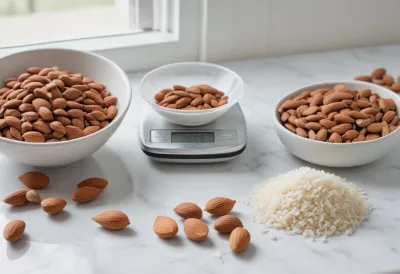
How accurate is calorie counting, really?
Four error layers stack between your plate and the confident total on your screen. Which one is actually worth fixing, and which are simply the terrain.

How to count calories: a complete beginner's guide
Fewer than half of trackers are still logging by week 10. The fix isn't discipline — it's deliberately lowering your standard for any single entry.

Are barcode scans as accurate as they seem?
GS1's own rules require a new barcode whenever the pack size changes — but only sometimes when the recipe does. That asymmetry is the whole story.

When to log your meals for the fewest misses
Children reported school lunch an hour later, or twenty hours later. The daily totals were indistinguishable. Almost nothing else about the records was.
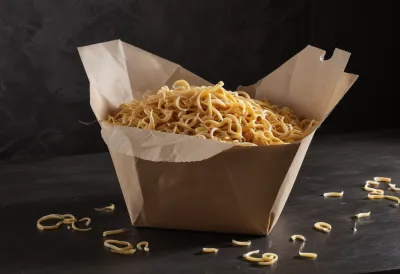
A field guide to counting calories when eating out
Nine cuisines have been burned in a calorimeter, and the ranking replicates. The catch: the scatter inside a cuisine is wider than the gap between them.
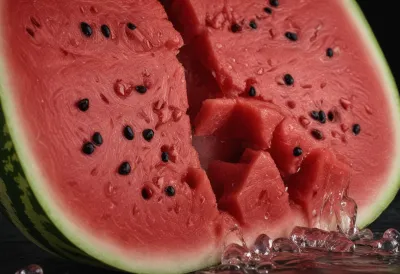
Using calorie density to sanity-check an estimate
A calorie estimate is unfalsifiable until you weigh the plate. One division turns it into a claim about hidden fat that you can actually go and check.

The condiment problem: small add-ons, big totals
Condiments are about 1% of the average person's calories. That average is hiding a category where one tablespoon of "mayonnaise" runs from 10 to 99 calories.

When calorie tracking turns unhealthy: warning signs
Real-time food monitoring is a working part of the leading eating-disorder treatment. Same act, opposite function — and the difference is what tells you.
Calorie tracking vs intuitive eating: can you do both?
One practice has the psychological evidence, the other has the arithmetic. The covert feeding trial that explains why appetite cannot run a deficit on its own.

How much cooking oil actually ends up in your food?
You poured two tablespoons — about 240 calories. The courgette absorbed roughly 27 of them. The awkward question is what happened to the other 213.

The hidden errors in crowd-sourced food databases
A trained researcher entering known meals still hit the wrong portion in up to one entry in six. The food's identity was almost never the problem.

Rounding rules: how labels hide small calories
Rounding is not the scandal it sounds like — the increments run both ways and cancel out. Exactly one rule doesn't, and it is why your cooking spray says zero.
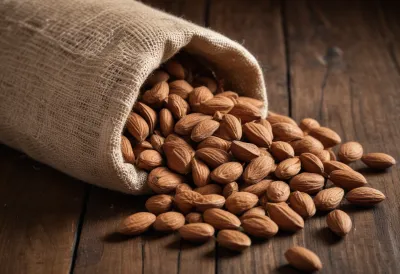
Do you absorb every calorie you eat?
Whole almonds measured 4.42 calories a gram. Chop them and it rose to 5.04; grind them to butter and the discount vanished altogether.

How to estimate calories in fried foods
Four-fifths of the oil in fried food goes in after it leaves the fryer — so the calories were still being decided while your order sat on the pass.
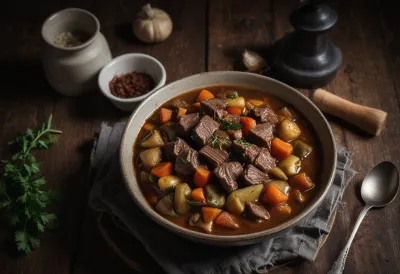
How to estimate calories in soups, stews and casseroles
Bite for bite, a uniform food varies 1.9% in energy per gram. A mixed one varies 41.2%. Your ladle isn't measuring a stew — it's sampling one.

How to estimate pizza calories by the slice
Twenty-five Margherita pizzas, one recipe, a 2.8-fold spread in calories. Pizza looks like the easiest food to count, and the unit is the trap.
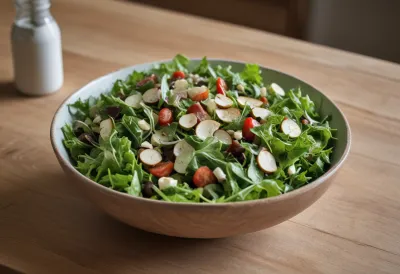
Why salads are sneakier to count than you think
The greens fill the bowl and supply 22 calories. The dressing you barely see supplies 103. It's the one dish where your eye and the arithmetic disagree.
How to estimate takeout and delivery calories
A laboratory burned 157 takeaway meals and found 1,327 calories in the average one — 49% more than the chain meals people quietly compare them to.

How accurate is eyeballing your portions?
Your eye doesn't just miss — it compresses. Which quietly guarantees that your worst estimate of the week lands on the plate with the most calories on it.

The 20% rule: why food labels can be legally off
Nobody measured your package. The printed calorie count is a legal claim about a 12-unit lab composite, held to a tolerance that leans one way — low.
The calories people forget: drinks, oils, and bites
Show someone photographs of their own day and they recover roughly half the calories their food recall missed. The other half was never a forgotten item at all.

Does cooking change a food's calories?
A calorimeter burns all of a raw egg; your gut digests half. Cooking closes that gap — so the calories you absorb can climb while the label never moves.
How long should you actually count calories?
Tracking during the diet did not separate the people who kept the weight off. What separated them was the year afterwards, when nobody was asking.
How to make calorie tracking a habit that sticks
A free food app, 189,770 downloads, 2.58% still logging. The habit research says the fix isn't discipline — it's shrinking what you are trying to automate.
How to count calories for a recipe you cooked
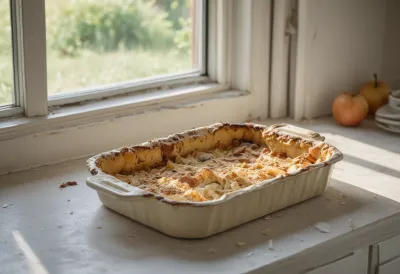
A recipe is the one meal you can compute rather than guess. Then you divide the pot — and 312 supermarket recipes show how wide "serves 4" really is.
Counting calories when you batch-cook and meal-prep
Batch cooking is the highest-accuracy, lowest-effort way to track. A randomized trial found something odd about what is doing the work: the plan, not the food.

What to do about the days you forget to log
The days you forget to log are not a random sample of your week. They are the big ones — which is why dropping them and zeroing them are both wrong.

How to log a meal when you don't know the recipe
The dish someone else cooked is not a bigger number — it is a different mixture wearing the same name. What the FAO does when the recipe is missing.

How to log beer, wine and cocktails
Researchers bought and measured 480 drinks in 80 bars and restaurants. Wine glasses held 43% more alcohol than a standard drink. Nobody in the room knew.

How to log lattes, cappuccinos and coffee drinks
Nearly 3,000 coffee-shop purchases were counted at the till. Brewed cups averaged 63 calories; milk-based ones averaged 239 — none of it the coffee.
How to log leftovers and second helpings
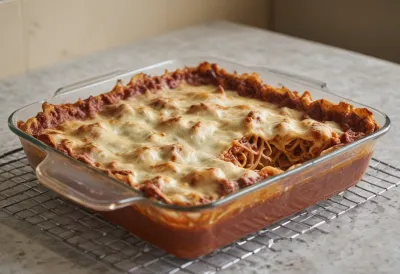
You already logged this food once. So why does the second plate of it vanish from your diary? The failure isn't estimation — it's arithmetic nobody does.

How to review your food log and actually learn from it
Most patterns people find in a week of food logs are noise. Here is what a week can genuinely resolve, measured across 315,000 logged meals.

Setting up a food diary you will actually keep
Going electronic nearly doubled how often people logged — and barely moved their weight loss. What separates a diary you keep from one that teaches you.

How to track calories at parties and holidays
People report gaining four times what the scale actually records over the holidays — and that gap, not the buffet, is what ends most December food logs.

Tracking calories when you eat out most days
Chasing accuracy on every restaurant meal is the wrong project. Save one estimate per repeated order, then let four weeks of weight data correct it.
How to keep tracking when life gets busy
The days you can't find time to log are built from the food that is easiest to log. What the clock studies say about tracking with no time.

Tracking calories with unfamiliar foreign foods
Your app's calorie values survive the border better than your eyes do. What breaks abroad is the portion, and 122 travellers show what that costs.
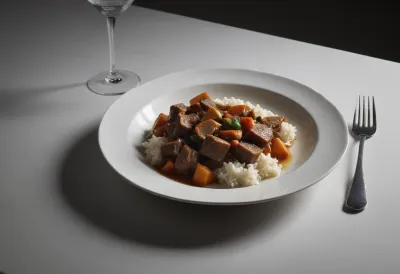
Tracking calories from a shared family dinner
Nobody divided the pot, you didn't measure your share, and the research says your plate was already bigger before anyone sat down. What to log anyway.

How to count calories without an app (pen and paper)
Handing people a calorie app bought two extra tracking days a week and zero extra kilograms. What a notebook has to contain to do the same job.
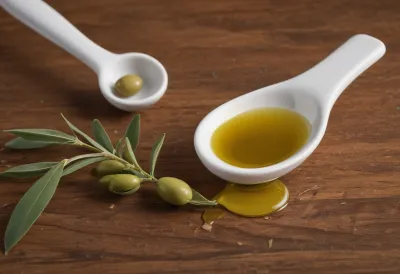
How to track the oil and butter you cook with
Portion training improves your estimates for almost every food group. Fats and oils are the documented exception — and they cost about 120 calories a spoonful.

How to track macros and calories at the same time
Your macros will never add up to the calorie line on a label, and rounding alone explains 10 to 20 calories of it per serving. That is not a bug to chase.

Should you log food before or after you eat it?
Students who ordered lunch in advance took 100 fewer calories. The sandwich was identical. Everything that shrank was something they had added around it.
How to speed up logging the meals you eat often
Twenty-one thousand people logged 2.6 million meals over two weeks. For the median person, nine items accounted for half of everything they entered.

Photo food journaling: log first, estimate later
Forty adults ate under doubly labeled water, then reviewed photos of their own day. The images put 265 foods back into the record — nearly all snacks.

How to photograph food for a better calorie estimate
A camera records the top of your dinner, not its mass. Five capture moves hand the estimate back the depth, scale, and oil the lens quietly throws away.
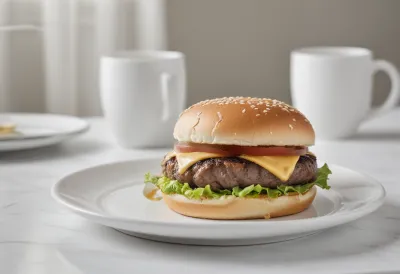
Portion distortion: why servings quietly grew
Portions really did grow — a hamburger gained 97 calories, a Mexican dish 133. But the two conclusions usually drawn from that don't survive testing.

Quick-add calories vs full entries: when each is fine
One arm logged everything and managed it on 49% of days. The other logged almost nothing and managed 97%. They lost the same weight — 3.4 kg against 3.3 kg.
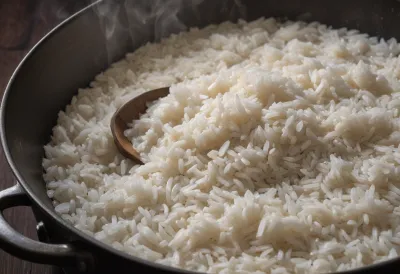
Raw vs cooked: which weight should you log?
A cup of dry rice becomes a mound of cooked; a chicken breast shrinks. The calories never moved — but log the wrong weight and you can be off by half.

How to read a nutrition label like a pro
Only 11.8% of adults could read the calories off a bottle labeled per serving. The panel holds three reference points, and not one of them is you.
How to track calories at a buffet or shared table
A smaller plate will not save you — a pre-registered trial put the difference at 19 calories. What moves a buffet is the variety, and who you came with.

How to track calories without obsessing over them
The same app, two opposite findings, and a screening scale that scores label-reading as pathology. What separates useful tracking from the harmful kind.

Why people underreport what they eat
A feeding lab weighed what 59 adults actually ate without telling them. The gap that followed wasn't one error — it was two, and only one is a logging failure.

Logging meals by voice: does it lose accuracy?
The microphone was never the hard part. A voice app can transcribe 'a bowl of pasta' flawlessly and still not know if you ate 300 calories or 600.

Should you review your calories daily or weekly?
Measuring often and judging often are two different decisions, and the evidence pushes them in opposite directions. One of them is where most trackers go wrong.

Food scale vs measuring cups: which is more accurate?
One cup is a volume. Every calorie database is written in grams. The translation between the two fails for four foods out of five — and nobody feels it.

What's a realistic margin of error for calorie counting?
Measured against doubly labeled water, one person's food log can miss the truth by +25% to −76%. Here's why the day's band still isn't bottomless.

7 calorie-tracking mistakes that quietly add up
Seven under-logging traps share one direction — down. Liquids, oils, weekends, and the 'healthy' halo do the quiet damage your total never sees.

Do you have to count calories to lose weight?
No — a landmark trial told 609 people to skip calorie counting entirely, and they lost weight anyway. But something still has to stand in for the arithmetic.

How precise does calorie tracking actually need to be?
Weighing food to the gram feels rigorous. But your weight swings a pound a day on water alone, and responds over months — so the precision has nowhere to land.

How to start counting calories without burning out
Starting big is why calorie tracking burns out. The fix isn't discipline — it's one anchored meal a day, grown slowly, the way habits actually form.
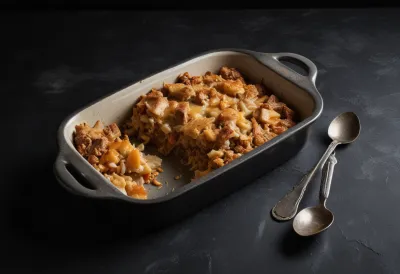
Why homemade meals are the hardest to count
A ribeye roast leaves the oven at 77% of the weight that went in. Your dinner changed mass while you cooked it — and the database entry you check against knows.

How to estimate calories in a restaurant meal
Two studies, 4,500 diners, one verdict: 15% of people get it right. The bias isn't ignorance — the restaurant's branding does part of your estimating for you.

Hand portions: estimating servings without measuring
Your fingers beat a measuring cup 80% to 29%. Your fist lost to it. The famous palm-fist-thumb system is built on the one part the data does not support.
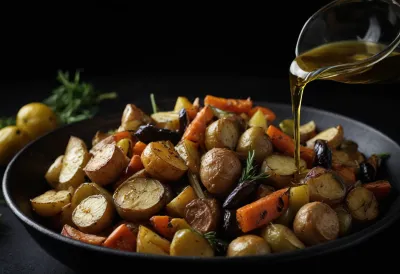
How accurate are AI photo calorie counters?
A photo records light bouncing off the top surface. Mass, density, and the oil it was fried in are underneath, inside, or dissolved — that is the whole problem.

How accurate are calorie-tracking apps?
The app's arithmetic is flawless. Everything feeding it is not — and at 9pm, mildly hungry, you are the one picking between six versions of the same food.
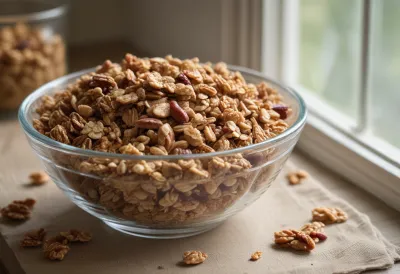
How accurate are nutrition labels, really?
The 20% a label may legally hide is the least of it. Rounding turns cooking spray into a zero, and the tolerance leans one way: toward the friendlier number.

How accurate are restaurant calorie counts?
The menu is most wrong exactly where you trust it most — and the salad you ordered for its number is the likeliest item on the page to beat it.
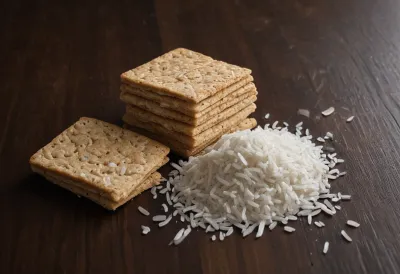
How to estimate calories without a food scale
Training cut portion errors from 92% to 66% — and wore off in a month. The trick isn't getting better at guessing; it's picking fights your eyes can win.
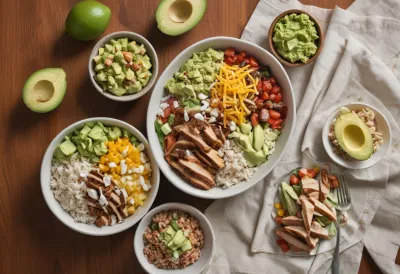
Why calorie counts are ranges, not single numbers
Fifty-three dietitians, one set of food records, the same software — and totals that refused to agree. A calorie estimate's width is the finding, not an excuse.
Why two apps give the same meal different calories
Six legal ways to compute one package. Fibre worth 2 calories in Dublin and 4 in Denver. When your app and your partner's disagree, you are often both right.