A fat burner promises one route, and fat loss has three#
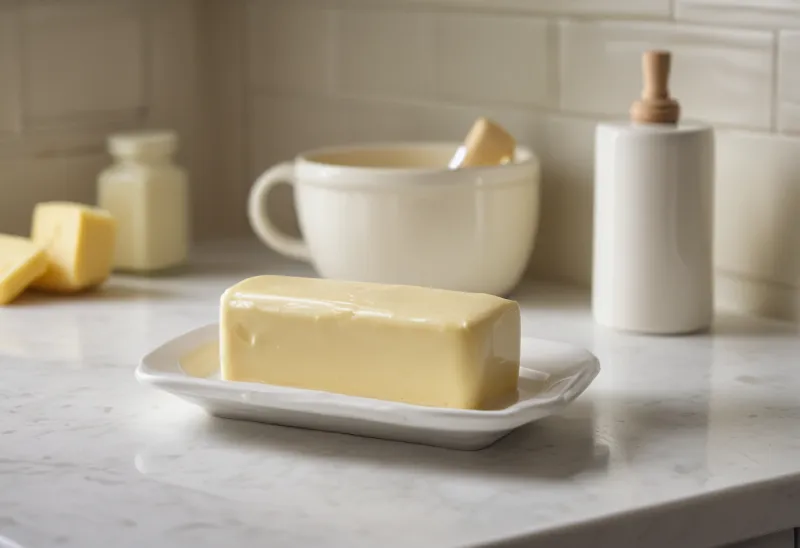
If a bottle promises to melt your belly fat while you sleep, remember: your body is not a microwave, and your belly is not a stick of butter.
Fat loss isn't one event that a capsule can trigger. It's the result of several interacting processes, and foods and supplements can act on three of them:
- Energy intake. Make you feel fuller, reduce hunger, or replace higher-calorie foods.
- Energy expenditure. Raise calorie burning through activity, digestion or a small metabolic effect.
- Body composition. Help preserve muscle and training performance while weight comes down.
A fourth factor connects all of them: adherence. The best theoretical diet does little if you're too hungry, exhausted or frustrated to follow it.
Most fat burners stake everything on the second route, and the record there is thin. A 2021 systematic review went through 315 randomized trials of 14 supplements and alternative therapies for weight loss. Only 52 were low risk of bias with enough data to support efficacy, and only 16 of those found a significant difference in weight, from 0.3 to 4.93 kg1.
So the question worth asking isn't "which foods burn fat?" It's which foods and supplements create the conditions for fat loss, and through which route. A food doesn't need to burn fat directly to make fat loss easier.
What the bottle delivers, ingredient by ingredient#
Here's what the better reviews we opened found. Differences are against placebo or control, and they're often the headline number of a whole review rather than what one person should expect.
| Ingredient | Evidence | What it found | Practical read |
|---|---|---|---|
| Green tea | Cochrane review2 | Small, nonsignificant loss, unlikely to matter clinically | Drink it if you enjoy it; skip extracts |
| L-carnitine | 37 trials, 2,292 people3 | 1.21 kg more loss (CI 0.68 to 1.73) | Modest; not a priority |
| CLA | 7 trials of at least 6 months5 | 0.70 kg more loss, with flawed reporting in four trials | Generally skip |
| Garcinia | 9 pooled trials6 | 0.88 kg more loss, with the interval reaching zero | Generally skip |
| Glucomannan | 8 pooled trials7 | 0.22 kg, not significant | Generally skip |
| Capsaicin | Review and meta-analyses8 | Small effects on expenditure and appetite | Enjoy spicy food, not fat-burner promises |
| BCAAs | Systematic review9 | Inconsistent for body composition, with bias concerns | Usually unnecessary |
L-carnitine is worth a closer look, because its sales pitch is so tidy. "Your body needs L-carnitine to transport fatty acids into mitochondria. Therefore, taking more L-carnitine will burn more fat."
The first sentence describes a real biological function. The second doesn't automatically follow. Your body already makes carnitine, and more of something involved in metabolism doesn't necessarily speed up the whole process. Think of adding delivery trucks to a warehouse whose loading dock is already at full capacity. More trucks don't guarantee more deliveries. A plausible mechanism is not the same as a demonstrated weight-loss benefit. The modest pooled result above doesn't rescue the pitch either: a separate meta-analysis of nine studies found that carnitine's effect shrank the longer people took it4.
Ephedra shows why "it works" doesn't settle anything. In short trials, ephedra and ephedrine produced about 0.9 kg per month more loss than placebo, along with 2.2- to 3.6-fold higher odds of psychiatric, autonomic or gastrointestinal symptoms and heart palpitations10.
Protein and fiber work through a different route#
Now for the foods that never claimed to melt anything.
Protein is the closest thing to a nutritional multitool. It costs more energy to process than carbohydrate or fat, a difference that also plays a part in satiety11. A major review found that diets with 1.2 to 1.6 g/kg of protein per day, and potentially at least 25 to 30 g per meal, improved appetite, weight management or cardiometabolic markers. Longer studies were more mixed, and following the diet seemed to be what separated them12. How much protein to aim for has its own guide.
Compare a typical breakfast. A 60 g croissant has about 244 kcal and 5 g of protein. A 200 g tub of plain nonfat Greek yogurt has about 118 kcal and 20 g, with room left for berries and oats (USDA data, our arithmetic). You aren't activating a secret fat-burning switch. You're choosing a meal likely to last longer. Compare totals, though, because adding protein to your usual breakfast adds calories.
Powder is optional. In people with overweight or obesity, whey supplements went with about 0.56 kg less weight, including less lean mass as well as fat13. In women, a separate review found 0.37 kg more lean mass and no significant change in fat14. Protein powder is a convenient food.
Fiber is the quiet appetite-management tool. Viscous types form a gel in the digestive tract. Across 62 trials and 3,877 people, viscous fiber cut body weight by 0.33 kg without an instructed diet15. That's modest, and there's no need for a supplement: beans in a salad, berries in yogurt and vegetables at lunch and dinner add volume and count toward your target. If you do take psyllium, US rules require products containing water-soluble gums to warn you to take them with at least a full 8-ounce glass of fluid, and not to take them if you have difficulty swallowing, because of the risk of choking16.
Coffee and creatine help, and neither one burns much fat#
Caffeine really does raise expenditure. In short-term studies, caffeine alone added about 429 kJ over 24 hours, which is about 100 kcal by our arithmetic17. And a review of 13 trials with 606 people concluded that it might promote weight and fat reduction, though results varied enormously between studies, with I² above 90%18.
But burning more fat as fuel during a particular hour doesn't mean losing more body fat over the next month. Your body constantly switches between carbohydrate and fat, and long-term change depends on overall energy balance. The coffee question gets a full answer elsewhere. Coffee's more dependable use may be replacing a sweet, calorie-heavy drink. Don't sacrifice sleep to squeeze in another espresso. The FDA cites 400 mg a day as an amount not generally associated with negative effects for most adults, and it isn't a target. Sensitivity varies, and pregnant or breastfeeding people should ask their provider19.
Creatine doesn't directly burn body fat either. Its role is to support repeated hard efforts, so your training stays good while you diet. A daily 3 to 5 g is the usual maintenance dose, according to a sports-nutrition position stand whose authors include several with creatine-industry ties20. In a meta-analysis of older adults doing resistance training, creatine added 1.37 kg of lean tissue, with no conflicts reported21.
One warning: creatine can raise the scale by adding water to muscle. That's not a failed diet. It's a reminder that body weight and body fat aren't interchangeable.
Losing 5 kg doesn't always mean losing 5 kg of fat#
The third route gets the least attention. In one strict four-week trial, 40 young men ate 40% below their needs and trained hard six days a week. The 2.4 g/kg protein group ended up 1.2 kg up on lean mass and 4.8 kg down on fat. The 1.2 g/kg group managed 0.1 kg and 3.5 kg22. Few people would live like that, but it shows how much composition can move at a similar calorie intake.
A 2026 position stand calls resistance training and sufficient protein "indispensable mitigators" of lean mass loss in a sustained deficit, whatever the diet. It suggests 1.2 to 1.6 g/kg a day for the general population and 1.6 to 2.2 g/kg for building muscle with resistance training. Its authors disclose industry ties, so keep that in mind23.
This is why a protein shake can do more for your physique than a product marketed as a fat burner, even though the shake burns nothing. Prescription GLP-1 drugs are a separate conversation. They're medicines, not supplements, and they come with their own protein question.
Where a fat burner can hurt you#
"Natural" isn't a safety rating. The FDA states that it doesn't have the authority to approve dietary supplements before they're marketed24. What that means in practice:
| Risk | What was measured |
|---|---|
| Hidden drugs | 776 adulterated supplements flagged by the FDA from 2007 to 2016; 317 were sold for weight loss, and 269 of those contained sibutramine25 |
| Emergency visits | About 23,000 US visits a year tied to supplements; a weight-loss product was implicated in 25.5% of them, setting aside unsupervised children26 |
| Heart symptoms | Weight-loss or energy products accounted for 71.8% of palpitation, chest pain or tachycardia events in that dataset, and 58% of those visits involved people aged 20 to 34 (same source) |
| Liver | Supplement doses of 800 mg EGCG a day or more raised liver enzymes in trials; traditional green tea is generally considered safe, though rare injury is reported (European Food Safety Authority panel, Younes et al., 2018) |
| Mixtures | Most liver-injury cases from herbal and dietary supplements involve multi-ingredient products, and the culprit is usually unknown28 |
If you take medication, are pregnant, or have a heart or liver condition, check with a clinician before starting anything in this article. If something you're taking gives you chest pain, a racing heart or signs of liver trouble, stop and get medical help.
How the routes add up in a two-week experiment#
Say your usual afternoon snack is a pastry and a sweetened coffee, and you replace it with skyr, berries and black coffee. Follow the chain: more protein, potentially better fullness, fewer drink calories, lower intake if the rest of the day doesn't compensate, a deficit that's easier to keep, and gradually less body fat. There's no magical metabolism activation and no supplement stack, only a sequence of small changes that reinforce each other.
Rather than changing everything at once, try this for two weeks:
- Include protein in each main meal.
- Add fruit, vegetables or legumes to two meals a day.
- Replace calorie-containing drinks when practical.
- Keep resistance training consistent.
- Watch weight trends rather than single weigh-ins.
Then ask: am I less hungry? Is my average weight moving in the intended direction? Am I keeping my strength? Could I keep eating this way without feeling constantly restricted? If progress stalls, review portions, activity and consistency before buying another supplement.
You don't need to trick your metabolism. You need a system that makes the outcome you want easier to achieve. This is general nutrition education for adults, not individual medical advice.
FAQ#
Do fat burners actually work?#
Rarely in any way you'd notice. Most ingredients reviewed show small or inconsistent effects, often around a kilogram or less, and a 2021 review of 315 trials found few that were both reliable and positive.
Is L-carnitine worth taking for weight loss?#
Probably not. Pooled trials show about 1.2 kg more loss than control, and another analysis found the effect shrinks over time. The tidy mechanism behind the marketing doesn't make it a priority.
Are fat burners safe to take?#
Not reliably. In the US they aren't approved before sale, hundreds of weight-loss products have been found to contain unapproved drugs, and they're tied to emergency visits for heart symptoms.
Does creatine burn fat?#
No. It supports hard training and lean mass, and it can push scale weight up through water in muscle, even while body fat falls.
Sources#
- Batsis JA, Apolzan JW, Bagley PJ, et al. A systematic review of dietary supplements and alternative therapies for weight loss. Obesity (Silver Spring). 2021;29(7):1102-1113.
- Jurgens TM, Whelan AM, Killian L, et al. Green tea for weight loss and weight maintenance in overweight or obese adults. Cochrane Database Syst Rev. 2012;12(12):CD008650.
- Talenezhad N, Mohammadi M, Ramezani-Jolfaie N, et al. Effects of l-carnitine supplementation on weight loss and body composition: a systematic review and meta-analysis of 37 randomized controlled clinical trials with dose-response analysis. Clin Nutr ESPEN. 2020;37:9-23.
- Pooyandjoo M, Nouhi M, Shab-Bidar S, et al. The effect of (L-)carnitine on weight loss in adults: a systematic review and meta-analysis of randomized controlled trials. Obes Rev. 2016;17(10):970-976.
- Onakpoya IJ, Posadzki PP, Watson LK, et al. The efficacy of long-term conjugated linoleic acid (CLA) supplementation on body composition in overweight and obese individuals: a systematic review and meta-analysis of randomized clinical trials. Eur J Nutr. 2012;51(2):127-134.
- Onakpoya I, Hung SK, Perry R, et al. The use of Garcinia extract (hydroxycitric acid) as a weight loss supplement: a systematic review and meta-analysis of randomised clinical trials. J Obes. 2011;2011:509038.
- Onakpoya I, Posadzki P, Ernst E. The efficacy of glucomannan supplementation in overweight and obesity: a systematic review and meta-analysis of randomized clinical trials. J Am Coll Nutr. 2014;33(1):70-78.
- Ludy MJ, Moore GE, Mattes RD. The effects of capsaicin and capsiate on energy balance: critical review and meta-analyses of studies in humans. Chem Senses. 2012;37(2):103-121.
- Julea M, Saleh SN. The effect of oral pure branched-chain amino acid supplementation on exercise performance and body composition: a systematic review. Cureus. 2025;17(11):e96017.
- Shekelle PG, Hardy ML, Morton SC, et al. Efficacy and safety of ephedra and ephedrine for weight loss and athletic performance: a meta-analysis. JAMA. 2003;289(12):1537-1545.
- Westerterp KR. Diet induced thermogenesis. Nutr Metab (Lond). 2004;1(1):5.
- Leidy HJ, Clifton PM, Astrup A, et al. The role of protein in weight loss and maintenance. Am J Clin Nutr. 2015;101(6):1320S-1329S.
- Wirunsawanya K, Upala S, Jaruvongvanich V, Sanguankeo A. Whey protein supplementation improves body composition and cardiovascular risk factors in overweight and obese patients: a systematic review and meta-analysis. J Am Coll Nutr. 2018;37(1):60-70.
- Bergia RE, Hudson JL, Campbell WW. Effect of whey protein supplementation on body composition changes in women: a systematic review and meta-analysis. Nutr Rev. 2018;76(7):539-551.
- Jovanovski E, Mazhar N, Komishon A, et al. Can dietary viscous fiber affect body weight independently of an energy-restrictive diet? A systematic review and meta-analysis of randomized controlled trials. Am J Clin Nutr. 2020;111(2):471-485.
- Cornell Legal Information Institute. 21 CFR 201.319: Water-soluble gums, hydrophilic gums, and hydrophilic mucilloids; required warnings.
- Hursel R, Viechtbauer W, Dulloo AG, et al. The effects of catechin rich teas and caffeine on energy expenditure and fat oxidation: a meta-analysis. Obes Rev. 2011;12(7):e573-e581.
- Tabrizi R, Saneei P, Lankarani KB, et al. The effects of caffeine intake on weight loss: a systematic review and dose-response meta-analysis of randomized controlled trials. Crit Rev Food Sci Nutr. 2019;59(16):2688-2696.
- US Food and Drug Administration. Spilling the Beans: How Much Caffeine Is Too Much?
- Kreider RB, Kalman DS, Antonio J, et al. International Society of Sports Nutrition position stand: safety and efficacy of creatine supplementation in exercise, sport, and medicine. J Int Soc Sports Nutr. 2017;14:18.
- Chilibeck PD, Kaviani M, Candow DG, Zello GA. Effect of creatine supplementation during resistance training on lean tissue mass and muscular strength in older adults: a meta-analysis. Open Access J Sports Med. 2017;8:213-226.
- Longland TM, Oikawa SY, Mitchell CJ, et al. Higher compared with lower dietary protein during an energy deficit combined with intense exercise promotes greater lean mass gain and fat mass loss: a randomized trial. Am J Clin Nutr. 2016;103(3):738-746.
- Aragon AA, Campbell BI, Schoenfeld BJ, et al. International Society of Sports Nutrition position stand: diets for body weight reduction. J Int Soc Sports Nutr. 2026;23(1):2740266.
- US Food and Drug Administration. Questions and Answers on Dietary Supplements.
- Tucker J, Fischer T, Upjohn L, et al. Unapproved pharmaceutical ingredients included in dietary supplements associated with US Food and Drug Administration warnings. JAMA Netw Open. 2018;1(6):e183337. Erratum in: JAMA Netw Open. 2018;1(7):e185765.
- Geller AI, Shehab N, Weidle NJ, et al. Emergency department visits for adverse events related to dietary supplements. N Engl J Med. 2015;373(16):1531-1540.
- Younes M, Aggett P, Aguilar F, et al; EFSA Panel on Food Additives and Nutrient Sources added to Food. Scientific opinion on the safety of green tea catechins. EFSA J. 2018;16(4):e05239.
- Navarro VJ, Khan I, Björnsson E, et al. Liver injury from herbal and dietary supplements. Hepatology. 2017;65(1):363-373.
- USDA FoodData Central. Yogurt, Greek, plain, nonfat (FDC 170894, SR Legacy).
- USDA FoodData Central. Croissants, butter (FDC 174987, SR Legacy).
Source: BurnWeek — "Do fat burners work? Foods, supplements and what actually makes fat loss easier", https://burnweek.fit/blog/do-fat-burners-work/. Licensed CC BY 4.0: free to quote or reuse with a link to this page.